

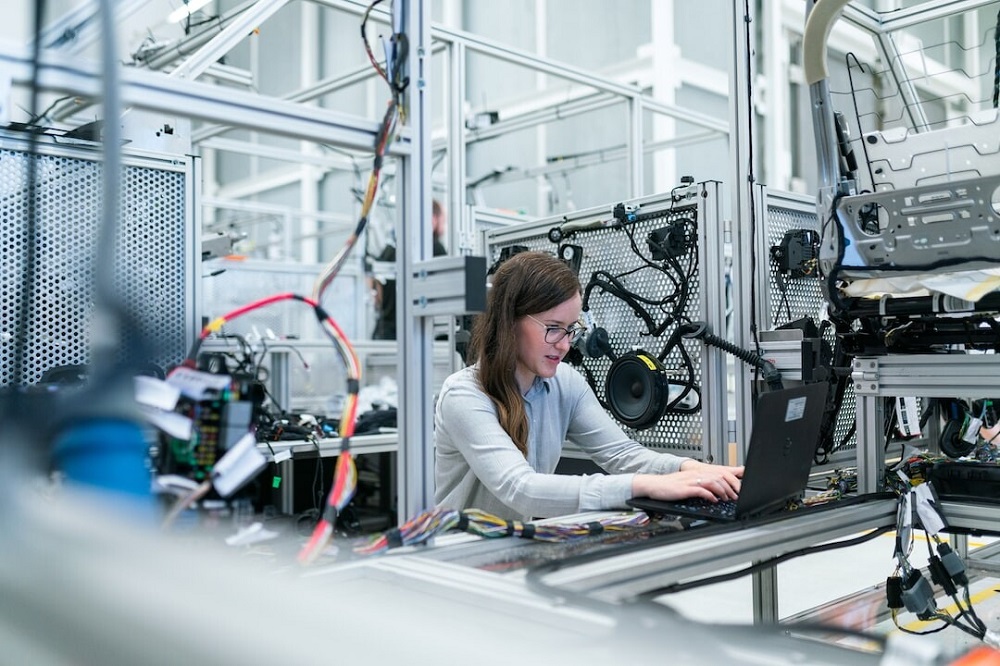
The global industrial landscape is experiencing a profound structural evolution. For decades, industrial productivity relied on the incremental optimization of human labor, mechanical machinery, and traditional assembly line configurations. However, the modern manufacturing and manufacturing-adjacent sectors face unprecedented challenges, including severe skilled labor shortages, volatile supply chains, and rising material costs. To maintain profitability and meet surging global demands, enterprises are turning away from legacy operational models and embracing advanced automation systems.
Industrial automation no longer refers simply to isolated robotic arms performing repetitive tasks on a factory floor. Today, it represents a deeply integrated ecosystem where physical machinery, cloud computing, intelligent software, and real-time data analytics converge. This technological shift is rewriting the rules of corporate efficiency, allowing organizations to achieve levels of throughput, precision, and operational resilience that were previously impossible.
The Core Technological Drivers of Modern Automation
Understanding the transformation of industrial productivity requires looking at the specific technologies driving this shift. These systems operate symbiotically, turning traditional manufacturing hubs into smart facilities.
Intelligent Robotics and Collaborative Systems
Traditional industrial robots were heavy, dangerous machines that required physical cages to protect human workers. The modern era is defined by a more flexible class of robotics.
-
Collaborative Robots: Known as cobots, these advanced systems are equipped with sophisticated spatial sensors, force-feedback mechanisms, and computer vision. They are designed to work safely alongside human operators, handling strenuous, high-precision, or ergonomically hazardous tasks while humans manage complex problem-solving.
-
Autonomous Mobile Robots: Unlike older automated guided vehicles that required fixed magnetic strips or physical tracks in the floor, autonomous mobile robots navigate dynamic warehouse and factory environments independently using laser mapping, cameras, and onboard algorithms. They streamline internal logistics by transporting raw materials and finished goods precisely where they are needed without manual intervention.
The Industrial Internet of Things and Edge Computing
The integration of low-cost, industrial-grade sensors across manufacturing assets has unlocked unprecedented visibility into daily operations.
-
Continuous Asset Monitoring: Sensors embedded within machinery continuously track vital metrics such as vibrational frequencies, internal temperatures, acoustic anomalies, and electrical current consumption.
-
Decentralized Edge Processing: Rather than routing massive streams of raw data to distant cloud servers, edge computing devices process information directly on the factory floor. This enables split-second automated adjustments to machinery, preventing production defects and micro-stoppages instantly.
Direct Impacts on Industrial Throughput and Efficiency
The deployment of automation directly addresses the foundational metrics of industrial success: output volume, manufacturing speed, and resource optimization.
Transitioning to Non-Stop Production Cycles
Human labor is naturally subject to physical limitations, shift changes, fatigue, and mandatory breaks. Automation systems fundamentally alter the temporal limits of production.
-
Continuous Operational Capacity: Automated production lines can run twenty-four hours a day, seven days a week, with zero decline in accuracy or speed. This allows businesses to maximize the utilization of capital-intensive facility assets.
-
Optimized Dark Manufacturing: Certain highly automated facilities can operate in fully dark environments, turning off heating, cooling, and lighting systems across specific manufacturing zones to drastically reduce corporate energy expenditures.
Drastic Reductions in Manufacturing Defect Rates
Even the most highly skilled human technicians are susceptible to fatigue, distraction, and subtle visual variations, which lead to production errors.
-
Micron-Level Precision: Automated assembly systems operate with mathematical consistency, executing complex welding, milling, and assembly tasks with tolerances measured in microns.
-
Automated Visual Quality Assurance: High-speed cameras paired with deep-learning vision models inspect products directly on the conveyor belt at a rate of hundreds of units per minute. Substandard components are automatically detected and rejected from the line instantly, ensuring that flawed inventory never reaches the distribution stage.
Revolutionizing Maintenance Metrics and Asset Longevity
Unplanned equipment downtime is one of the single most expensive occurrences in industrial operations. When a primary machine breaks down unexpectedly, it halts entire production chains, leaving labor idle while emergency repair costs climb.
The Power of Predictive Maintenance Protocols
Traditional maintenance operated on either a reactive model, repairing tools after they broke, or a preventive model, replacing parts on a rigid calendar schedule regardless of actual wear. Automation enables a far more efficient approach.
-
Early Failure Detection: By analyzing historical operational data alongside real-time sensor metrics, predictive algorithms can identify the subtle indicators of internal mechanical degradation weeks before a physical failure occurs.
-
Targeted Servicing Windows: Maintenance crews are automatically alerted to the exact component requiring attention. Repairs can then be scheduled during planned facility shutdowns, ensuring that production remains uninterrupted and spare parts inventories are optimized.
Workforce Evolution and Human Capital Realignment
A common misconception is that industrial automation is designed solely to eliminate human employment. In practice, automation acts as a catalyst for the profound upskilling of the industrial workforce.
Eliminating High-Risk and Repetitive Tasks
Automation excels at absorbing tasks that are structurally dangerous, physically punishing, or mentally numbing for human beings.
-
Improving Workplace Safety Profiles: By delegating chemical handling, high-temperature operations, and heavy lifting to automated systems, corporations drastically reduce workplace injury rates, worker compensation claims, and associated liabilities.
-
Enhancing Daily Job Satisfaction: Shifting workers away from monotonous, highly repetitive movements mitigates long-term repetitive strain injuries and boosts overall morale.
The Emergence of the Industrial Technologist
As basic manual tasks become automated, the demand for highly skilled technical personnel rises significantly.
-
Transitioning to Systems Oversight: Modern factory workers are transforming into industrial technicians and systems supervisors. Their primary responsibilities shift from manual tool manipulation to programming robotic logic, diagnosing software alerts, and optimizing workflow sequences.
-
Driving Internal Corporate Value: Human intellect is reallocated toward continuous process improvement, strategic layout planning, and custom product engineering, areas where human creativity remains completely irreplaceable by software.
Frequently Asked Questions
What is the typical timeframe for a mid-sized manufacturer to see a return on investment from automation?
The return on investment timeline varies based on the scope of installation, but most mid-sized industrial organizations realize a full return on capital within eighteen to thirty-six months. This timeframe is driven by immediate reductions in material waste, lower energy consumption, minimized product defect rates, and a substantial increase in total daily throughput.
How does industrial automation impact a company’s carbon footprint and environmental sustainability goals?
Automation directly supports corporate sustainability by eliminating operational inefficiencies. Intelligent systems optimize the usage of raw materials, drastically reducing scrap waste. Furthermore, automated machinery manages energy intake dynamically, powering down sub-systems during operational lulls and utilizing advanced heating and cooling algorithms to reduce the total utility load of the facility.
Can legacy manufacturing facilities with older machinery adopt modern automation systems?
Yes, legacy facilities can implement automation through a process known as retrofitting. Organizations do not need to purchase entirely new fleets of machinery. Instead, they can install external sensor arrays, advanced programmable logic controllers, and modern connectivity modules onto older mechanical equipment, bringing legacy assets into the connected digital ecosystem at a fraction of the cost.
What is the difference between hard automation and soft automation in an industrial context?
Hard automation, also known as fixed automation, involves dedicated production lines designed to manufacture a single specific product at high volumes, such as an engine block assembly line. Changing the product design requires manual, highly expensive mechanical reconfiguration. Soft automation, or flexible automation, utilizes computer-controlled systems that can be rapidly reprogrammed via software to switch between different product models or configurations seamlessly.
How should industrial leaders manage the internal cultural resistance to automation?
Leadership can minimize internal resistance through transparent communication and proactive training strategies. Instead of introducing technology silently, management should clearly explain that automation is intended to eliminate dangerous, exhausting tasks rather than replace human livelihoods. Providing clear, company-funded pathways for workers to train as robot operators, maintenance technicians, and data analysts fosters an environment of mutual trust.
What specific security risks does the digitalization of industrial equipment introduce?
Connecting industrial equipment to corporate networks opens the door to potential cybersecurity vulnerabilities. If left unsecured, industrial control systems can be targeted by malware, ransomware, or unauthorized remote access, which can halt production entirely. Resilient organizations mitigate this risk by building completely isolated operational networks, enforcing strict multi-factor authentication, and deploying continuous network anomaly detection software.
How does automation help businesses navigate global supply chain disruptions?
Automation provides real-time visibility into internal inventory levels and production speeds, allowing companies to react instantly to external delays. If a specific material shipment is delayed, automated scheduling software can instantly reprogram the production queue to focus on alternative product runs that utilize available components, minimizing factory downtime and keeping customer delivery schedules stable.
Comments are closed.