

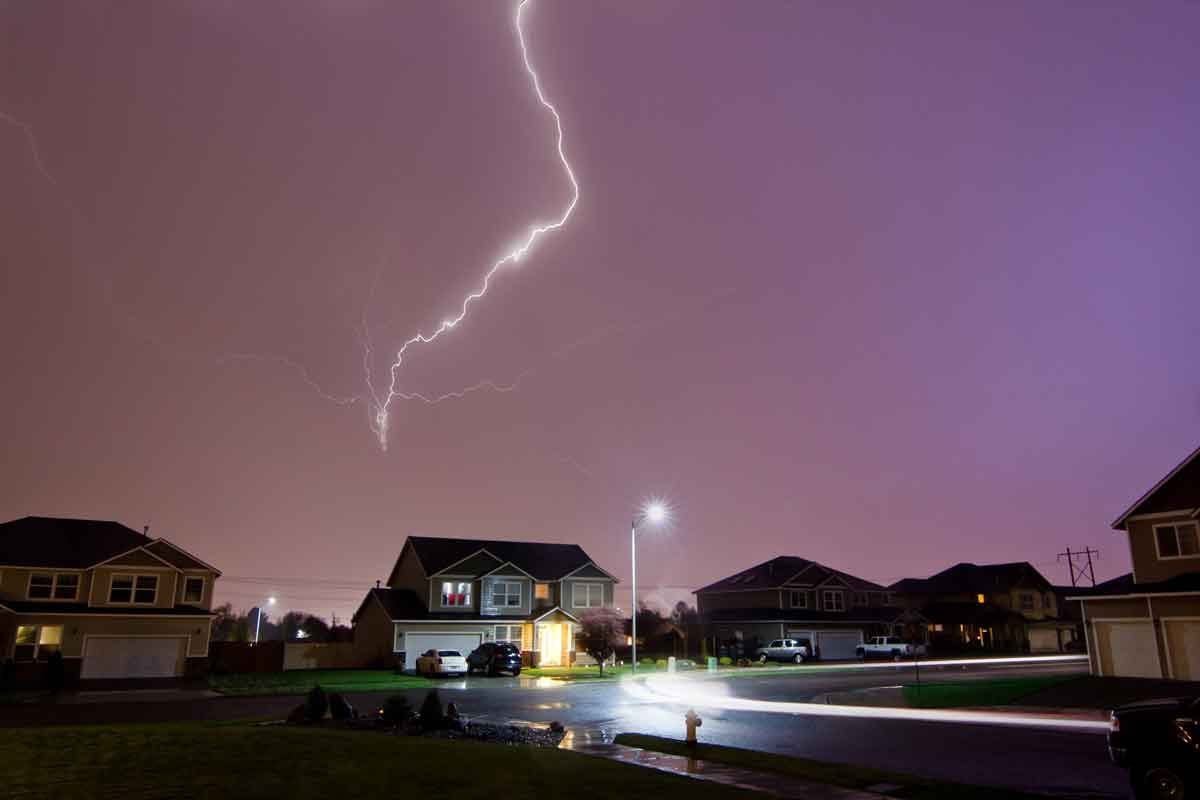
Lightning is not just a dramatic spectacle in the sky. It is a powerful, unpredictable force capable of causing severe damage to buildings, electronics, and even human life. Yet, despite the risks, many property owners ignore a critical line of defense: the lightning protection system. In this post, we will explore why installing a lightning protection system is not just smart but essential for any building, whether residential, commercial, or industrial.
Understanding Lightning and Its Dangers
What Happens When Lightning Strikes a Building
Lightning carries up to a billion volts of electricity. When it strikes a building without protection, the energy finds the path of least resistance, often tearing through walls, igniting fires, and frying electrical wiring. Imagine the cost of replacing damaged electronics, repairing structural damage, and the potential harm to the people inside. A lightning protection system is essentially your building’s shield, channeling lightning safely into the ground.
Common Misconceptions About Lightning
Many people think that lightning is rare or only targets tall buildings. In reality, lightning can strike anywhere, even on short structures or open fields. Singapore and tropical regions experience frequent thunderstorms, making lightning protection systems not just a precaution but a necessity. Believing that your building is safe because it is not the tallest is a dangerous gamble.
How a Lightning Protection System Works
The Key Components You Should Know
A proper lightning protection system consists of air terminals, conductors, and grounding systems. Air terminals, often called lightning rods, are installed on the roof to attract lightning. Conductors guide the electricity safely down the building, and the grounding system disperses the energy into the earth. Together, these components prevent damage to both the building and its occupants.
Why Professional Installation Matters
Installing a lightning protection system is not a DIY project. Improper installation can render the system ineffective or even more dangerous. Certified professionals understand building structures, electrical codes, and the optimal placement of rods and conductors. Investing in professional installation ensures your system works exactly as intended, keeping your building and its people safe.
Benefits of Installing a Lightning Protection System
Protecting Your Property and Valuables
The most obvious benefit is protection from damage. From roof shingles to expensive office equipment, a lightning strike can be catastrophic. A lightning protection system minimizes the risk, potentially saving hundreds of thousands in repair costs. Businesses can continue operations uninterrupted, avoiding downtime that can impact revenue.
Safeguarding Human Lives
Buildings are more than bricks and mortar; they house people. Lightning strikes can cause severe injuries or fatalities if the building is unprotected. A lightning protection system provides peace of mind, knowing that employees, residents, or visitors are safe even during the fiercest storms. Safety should always be the top priority for property owners.
Common Mistakes to Avoid
Ignoring the Grounding System
Many people focus on the rods and conductors but overlook the grounding system. A poorly grounded system cannot disperse the energy, making the building vulnerable. Always ensure that your system has a solid grounding mechanism to complete the protection loop.
Skipping Regular Maintenance
Lightning protection systems are not “set it and forget it.” Over time, corrosion, wear, and weather damage can compromise effectiveness. Schedule regular inspections and maintenance to ensure the system remains fully operational. A well-maintained system works when you need it most.
Choosing the Right Lightning Protection System
Assessing Your Building’s Needs
Not every building requires the same system. Factors such as height, construction materials, and location influence the design. For example, metal roofs might need different installation techniques compared to concrete or wooden structures. Consulting with experts helps customize the system for maximum efficiency.
Investing in Quality Materials
Cheap components might save money upfront but can fail when lightning strikes. High-quality air terminals, conductors, and grounding rods ensure durability and reliability. Think of it as an investment in protection, not an optional luxury. Cutting corners here can be disastrous.
How Lightning Protection Systems Enhance Insurance and Compliance
Lowering Insurance Premiums
Insurance companies recognize buildings with proper lightning protection systems as lower risk. Installing a certified system can sometimes reduce premiums or make claims easier in case of lightning damage. It’s a financial incentive that complements the safety benefits.
Meeting Legal and Safety Standards
Certain regions have building codes and safety standards that require lightning protection for specific structures. Compliance not only avoids legal trouble but also ensures the building meets safety expectations. A certified system gives both peace of mind and regulatory assurance.
Final Thoughts
Lightning is unpredictable, and its power is immense. Ignoring the risk is like leaving your front door wide open during a robbery. Installing a lightning protection system is not just a precaution; it is a proactive measure that protects property, lives, and peace of mind.
If you own a building in Singapore or any lightning-prone area, waiting for the next storm before taking action is too late. Talk to certified experts, assess your building’s needs, and invest in a reliable lightning protection system. The cost of prevention is far less than the cost of repair, replacement, or worse, harm to those inside your building.
Don’t wait until the sky lights up. Ensure your building is safe, secure, and ready for any storm. After all, protecting your property and people is the smartest move any building owner can make.
Comments are closed.