

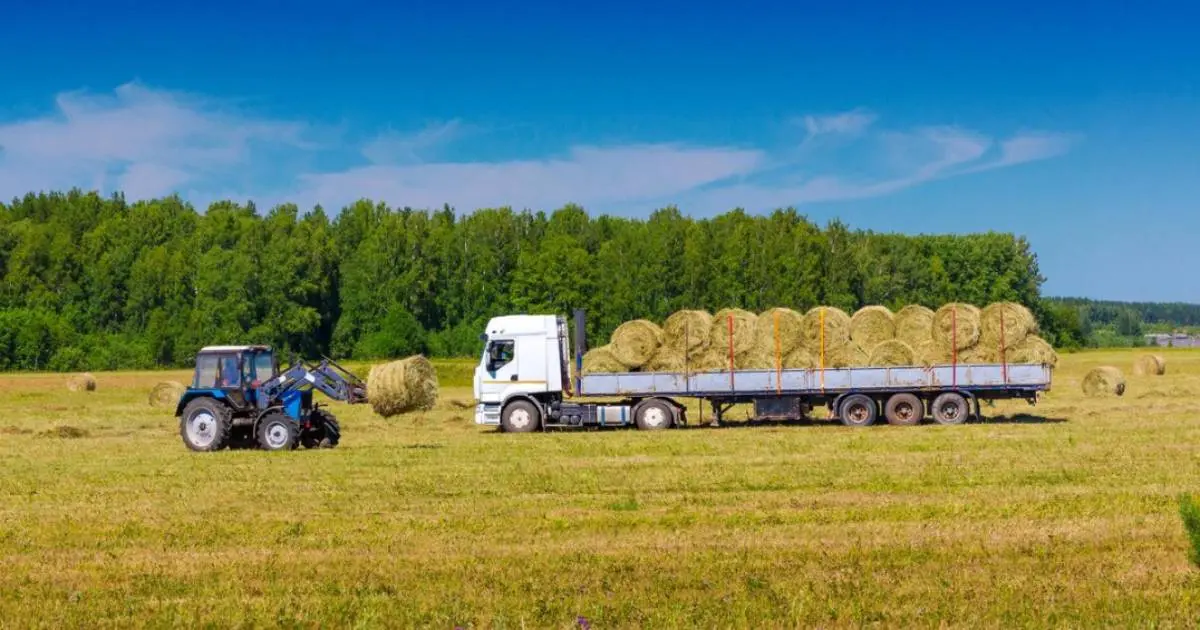
Getting produce from farms to tables is a race against time. From the moment crops are harvested, the clock starts ticking. Delays, missteps, or lack of coordination in the supply chain can lead to waste, spoilage, and lost revenue.
That’s where agricultural logistics comes in. It’s the behind-the-scenes engine making sure food travels quickly, stays fresh, and reaches enough people to meet demand. While it may not always get the spotlight, it plays one of the most critical roles in the food ecosystem.
Timing Is Everything
Freshness depends on speed, and agricultural logistics is built to minimize every unnecessary minute. This doesn’t just mean fast trucks or planes. It means tight coordination from start to finish.
First, harvest scheduling must align with transport availability. Crops like berries and leafy greens begin to deteriorate quickly after picking, so delays aren’t an option. Logistics teams have to match harvest times with immediate pickup and refrigeration to preserve quality from the start.
Next, routes must be planned based on more than just distance. Weather, road conditions, traffic, and even border inspections all affect transit time. By optimizing for reliability and avoiding bottlenecks, logistics ensures the produce moves fast but safely.
Finally, coordination at the receiving end is essential. Storage must be ready, unloading needs to be quick, and distribution must start right away. Every stage is synchronized to avoid backups that could shorten shelf life.
Keeping It Cool
Temperature control is the backbone of freshness. Many types of produce, dairy, meat, and seafood require cold chain logistics — a fully refrigerated path from origin to destination.
Here’s where agricultural logistics steps up:
Cold storage facilities – These are strategically placed near farms, processing plants, and distribution centers to keep products chilled before transit.
Refrigerated trucks and containers – They maintain stable temperatures even on long hauls, preventing spoilage.
Monitoring systems – Advanced tracking ensures real-time temperature control. If a cooling unit fails or temperatures spike, alerts are triggered immediately.
Transfer efficiency – Products must move quickly between cooling environments, with minimal exposure to outside temperatures during loading or unloading.
Cold chain management is expensive and complex, but it’s necessary for protecting perishable items and complying with health standards.
Logistics at Scale
It’s one thing to move a few crates of tomatoes. It’s another to move thousands of tons of food across regions or countries, every single day. Scaling up logistics without losing speed or freshness requires robust systems and smart planning.
A few key strategies make it possible:
Standardized packaging – Using containers that stack efficiently and protect produce reduces waste and maximizes space in trucks or containers.
Consolidation hubs – Products from multiple farms or producers are brought together at central points for more efficient loading and distribution.
Just-in-time distribution – Inventory is minimized across the supply chain to reduce storage time and move food closer to consumers faster.
Seasonal flexibility – Logistics operations must scale up during harvest surges and pivot when production shifts due to weather or demand changes.
Behind all of this is constant data tracking and forecasting, helping planners make smarter decisions, reroute if needed, and adjust capacity on short notice.
Freshness and Food Safety Go Hand in Hand
Agricultural logistics isn’t just about delivering food quickly. It also protects public health by ensuring that products are handled, stored, and transported safely.
Every stage must meet strict standards. Trucks and containers are cleaned between uses to prevent contamination. Storage facilities follow protocols for hygiene and pest control. Workers are trained in safe handling practices. And real-time tracking helps identify any issues early before they become bigger problems.
If there’s a food recall, logistics systems are used to trace exactly where the product has been and where it’s headed. This traceability allows for fast action, reducing risk to consumers and limiting damage for producers.
Why Geography Matters
Not all food is produced locally. In many areas, consumers depend on imports for a large portion of their fresh food. That creates long supply chains stretching across countries or continents.
In these cases, agricultural logistics plays an even more crucial role. Products may pass through several checkpoints, from harvest to export warehouse, shipping terminal, customs, distribution centers, and finally stores or restaurants.
Each leg of that journey requires tight coordination and contingency planning. Any delay at a port or border can disrupt the entire chain. Logistics teams must also navigate regulations, import rules, and shelf-life concerns across multiple regions.
In short, the more distance your food travels, the more logistics matters.
When Things Go Wrong
No logistics system is perfect. Weather events, strikes, fuel shortages, or infrastructure failures can all disrupt the movement of goods. Agricultural products are especially vulnerable because they’re perishable.
This is why the best logistics operations build in resilience. They maintain backup routes, extra inventory buffers, and strong communication channels with partners across the chain. If one option fails, there’s always a plan B ready to go.
One Process, Many Players
Agricultural logistics isn’t handled by one group. It involves:
- Farmers and producers – who must coordinate harvest timing and packaging
- Transport companies – who handle movement and temperature control
- Warehouse operators – who manage cold storage and inventory
- Distributors and retailers – who receive, store, and sell the products
It’s a shared process, and success depends on how well everyone collaborates. When communication breaks down, freshness suffers. When systems are aligned, the results are efficient, consistent, and scalable.
Where It’s Headed Next
Agricultural logistics is evolving quickly. As consumer demand shifts toward fresher, more local, or more sustainable food options, supply chains are adapting too.
We’re seeing more investment in technology that improves tracking, route optimization, and automation. Urban farming and local distribution networks are reducing transit time. And real-time data is helping teams react faster to supply chain issues.
It’s also becoming more environmentally conscious. Fuel efficiency, reduced packaging waste, and smarter routing are cutting emissions without sacrificing quality.
Keeping Food Fresh, Fast, and Flowing
At its core, agricultural logistics is about movement. It’s the system that turns raw harvests into available, safe, and fresh food for millions of people.
Whether it’s getting a crate of strawberries from a farm to a family’s fridge or moving grains across continents, logistics is what keeps the food world spinning. With strong planning, coordination, and execution, it’s possible to achieve all three goals: freshness, speed, and scale, without compromise.
Comments are closed.